

December 04, 2025
Linda Blaser
Lake Forest College ranks #35 in US for student experience
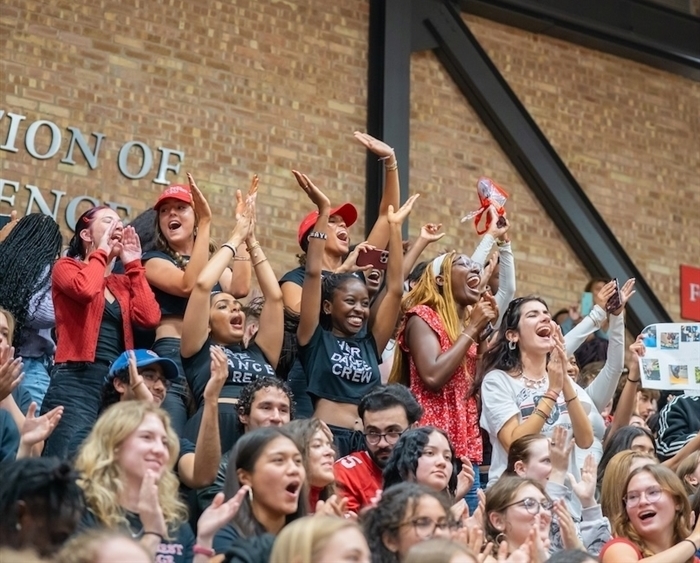
Lake Forest College has been recognized for delivering one of the nation’s best college experiences, earning the #35 ranking in the United States for Student Experience in the Wall Street Journal/College Pulse 2026 Best Colleges Rankings.
The Student Experience category—one of the core components of the Wall Street Journal methodology—measures how students rate their time on campus across key dimensions such as learning opportunities, career preparation, and facilities.
Lake Forest’s placement at #35 signals the strength of its personalized liberal arts education, close faculty mentorship, and hands-on learning opportunities—hallmarks that continue to shape the Forester experience.

“This recognition reflects what our students tell us every day—that Lake Forest College offers an education rooted in personal attention, real opportunities, and a community that knows and supports them,” said President Mike Sosulski. “Our faculty and staff work tirelessly to create an environment where students thrive, and this ranking affirms the impact of that commitment.”
These results come directly from student surveys, making Lake Forest’s strong showing a clear reflection of how students themselves value their time at the College.
While the College received additional rankings—#117 in Social Mobility, #236 overall, #313 in Best Salaries, and #399 in Best Value—the Student Experience distinction is Lake Forest’s most notable result in the WSJ list this year. The recognition underscores the College’s commitment to ensuring that students not only achieve strong outcomes after graduation but thrive during their four years on campus.
About the ranking methodology
In all, the Wall Street Journal/College Pulse ranked 584 institutions from nearly 4,000 nationwide. The study evaluated colleges across several key measures, including Student Outcomes, Student Experience, and Diversity. The methodology places significant weight on how well institutions prepare students for life after graduation—particularly the “value added” impact a college has on graduates’ earning potential. Unlike many rankings, this list focuses on the real return a college provides, measuring how effectively it supports students’ success in the classroom, on campus, and in their careers.
